
Implementing tobacco control
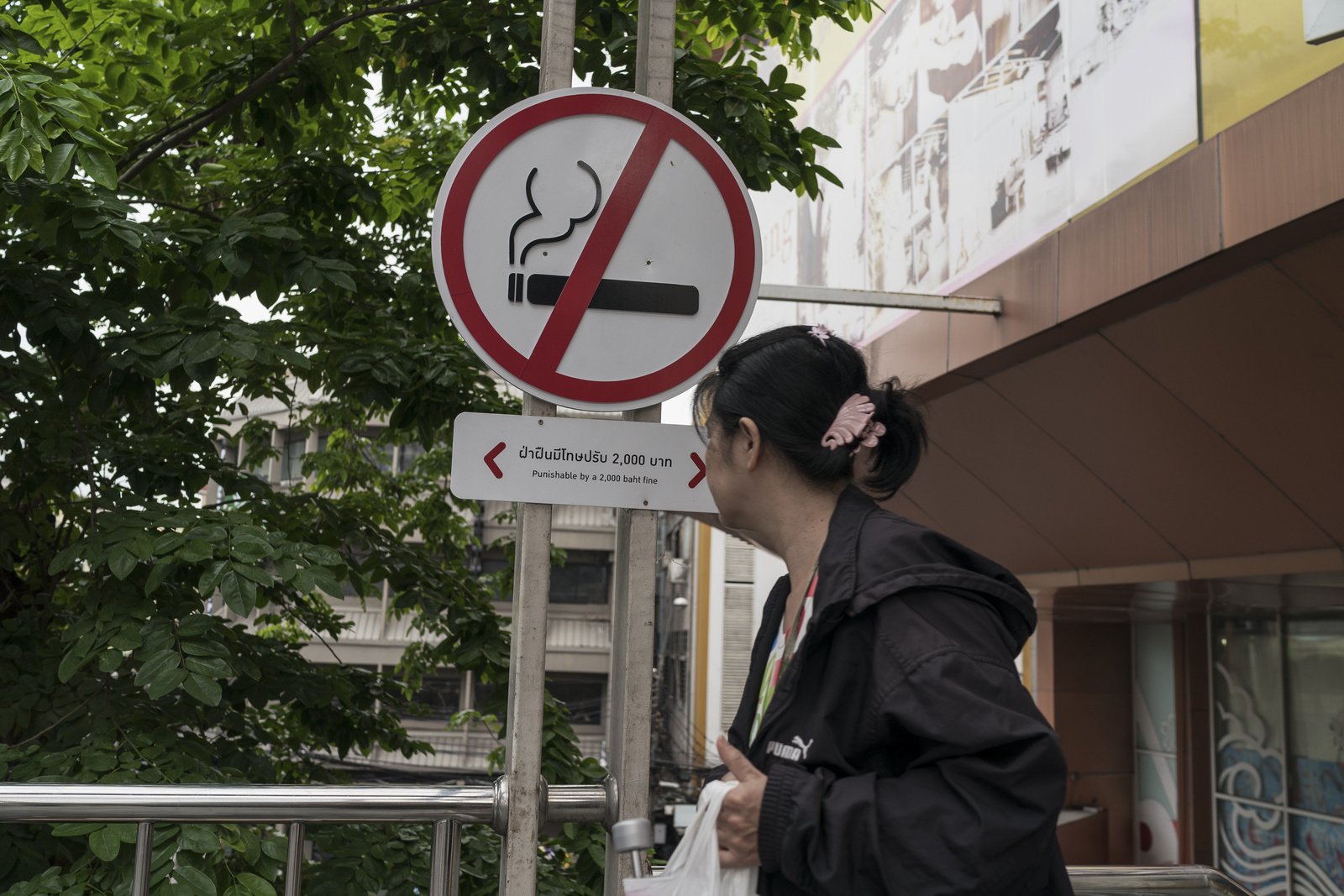
Governments use the tobacco control measures in the WHO Framework Convention on Tobacco Control (WHO FCTC) to reduce the prevalence of tobacco use and exposure to tobacco smoke. By implementing these measures, governments reduce the heavy burden of disease and death that is attributable to tobacco use or exposure.
The WHO FCTC's tobacco control measures are usually expressed as laws, regulations, administrative decisions and such actions as enforcement measures. Some of these decisions and actions involve health systems and professionals. Governments and civil society can also engage in programmes and population-based interventions.
To help countries implement the treaty, WHO introduced MPOWER, a package of technical measures and resources, each of which corresponds to at least one demand-reduction provision of the WHO FCTC. MPOWER builds the capacity of countries to implement certain provisions of the WHO FCTC.
Tobacco control is based upon an underlying ethical framework that recognizes the rights of persons to life, health and freedom. The WHO FCTC recognizes the importance of the human rights regimens embodied in the International Covenant on Economic, Social, and Cultural Rights; the Convention on the Elimination of All Forms of Discrimination Against Women; and the Convention on the Rights of the Child.
Initiative
Publications
All →Status of tobacco production and trade in Africa, 2nd ed.
Exposing marketing tactics and strategies driving the global growth of nicotine pouches
WHO technical manual on tobacco tax policy and administration
WHO study group on tobacco product regulation: report on the scientific basis of tobacco product regulation: tenth report of a WHO study group
Related activities
Health topic
Fact sheet